16 Mar 2026
Open letter by regional associations calls for strengthening smart specialisation in next MFF
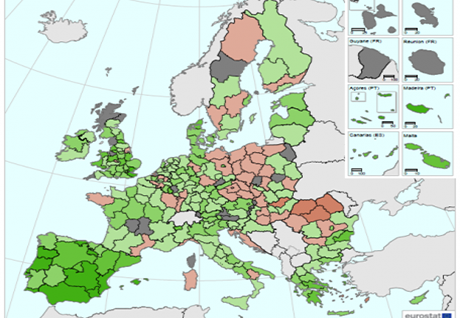
A number of regional associations and organisations have signed an Open Letter on the future of Smart Specialisation under the next Multiannual Financial Framework (MFF). The letter is addressed to the European Commission, the European Parliament and the Council.
The Open Letter calls Smart Specialisation "a proven approach that increases both competitiveness and cohesion", but sees it as having been severely weakened in the European Commission’s proposals for the next MFF. Implemented mostly by the Cohesion Policy, Smart Specialisation has been obligatory when programming the European Structural and Investment Funds since 2014, but according to the EC proposals for the next MFF, this will no longer be the case from 2028. In an attempt to simplify the MFF, National and Regional Partnership Plans (NRPPs) will replace the current operational programmes and funds including the European Regional Development Fund, the European Social Fund, and those for agriculture. However, signatories of the statement warn that without the obligation to implement Smart Specialisation Strategies (S3), these investments will not consider differences in the innovation potential and needs of regions.
S3 has also been implemented in centrally managed programmes, including Horizon Europe and Erasmus+, offering a means to combine regional strengths for EU strategic objectives, for instance through the European Innovation Ecosystems (EIE) and Interegional Innovation Investments (I3) Programmes. However, the signatories see strategic ambiguity on the role of S3 in the next programming period.
EURASHE (European Association for the Applied Sciences in Higher Education) has joined the Open Letter, as the signatories regard higher education institutions to make an important contribution to innovation ecosystems and S3 priorities, not only through research and innovation but all their missions combined. EURASHE therefore shares the deep concern among the group of 12 signatories, all of whom call on policy makers to acknowledge the need for a place-based approach to European funding programmes.
For more information: